

The Biggest Mistake Women Make With the House in Divorce and How to Avoid It
The marital home can become one of the most emotionally charged issues during divorce. For many women, the house represents far more than a piece of real estate. It may represent stability, family memories, familiar surroundings, and a sense of normalcy for children during a major life transition.

Why “You Can Refinance Later” Is the Most Dangerous Advice in Divorce
During divorce, the marital home often becomes the center of complicated financial decisions. One spouse may want to remain in the property, preserve stability for the children, or avoid selling a home that has significant emotional and financial value.

Divorce and the House: 3 Options You Actually Have and How to Choose
When a marriage ends, the marital home often becomes one of the most important—and complicated—financial decisions to resolve. The house may represent years of shared investment, emotional memories, family stability, and financial security. It may also carry a substantial mortgage, significant equity, and ongoing expenses that become much more difficult to manage on a single income.

Can I Keep the House in Divorce? What No One Tells You Before You Decide
Keeping the house during divorce is one of the most significant financial decisions a spouse may face. The home can represent stability, familiarity, a consistent environment for children, and a sense of control during an otherwise uncertain period.

Keeping the House in Divorce: What You Need to Know Before You Say Yes
Divorce requires countless decisions, but few carry the same emotional and financial weight as deciding what to do with the marital home. For many individuals, keeping the house represents stability during a period of uncertainty. It provides familiarity, preserves routines, and often helps maintain a sense of normalcy, especially when children are involved.

The 3 Biggest Mistakes People Make With the House in Divorce
Divorce creates difficult financial decisions, but few are as complicated—or as consequential—as deciding what happens to the marital home. For many divorcing couples, the house represents stability, security, and years of financial investment. At the same time, it may also represent the largest shared debt and the most complicated asset to divide.

Why Staying on Title After Divorce Can Come Back to Haunt You
Staying on the title to a home after divorce may seem harmless, but it can create legal, financial, and tax complications. Learn the risks of remaining on title and why a clear property transfer plan is essential.

Does a Divorce Decree Remove You From the Mortgage?
Does a divorce decree remove a spouse from the mortgage? Usually, no. Learn how mortgage liability works after divorce, why refinancing or loan assumption may be necessary, and how proper planning can prevent future financial problems.

Divorced But Still on the House: The Hidden Risk Most People Miss
Many people assume a divorce decree removes them from responsibility for the marital home. Learn why mortgage, title, and occupancy must all be aligned to avoid future financial and legal complications.

Can I Keep the House in Divorce?
Wondering if you can keep the marital home after divorce? Learn the 21 essential steps to determine whether refinancing is possible, protect your financial future, and make informed housing decisions with a strategic divorce mortgage plan.

The Divorce Mortgage Plan: How to Prepare for Housing Decisions
Divorce often brings major housing decisions. Learn how a structured divorce mortgage plan can help you evaluate your finances, prepare for refinancing or homeownership, and make informed housing decisions with confidence.
Why Divorce Settlement Language Matters for Mortgages
The wording in a divorce settlement can directly affect mortgage eligibility. Learn why carefully drafted settlement language is essential for refinancing, homeownership, and long-term financial stability.

Divorce Housing Checklist: 10 Things to Review Before Deciding
Before deciding whether to keep, sell, or buy a home during divorce, review these 10 critical financial and personal factors. A thoughtful housing strategy can help protect long-term financial stability and support a successful transition.

What Documents You Need for a Divorce Mortgage
Applying for a mortgage during or after divorce requires documentation. Learn which financial, property, and legal records lenders need and how proper preparation can help streamline the mortgage approval process.

How Bankruptcy, Foreclosure, or Short Sale Affect Buying a Home After Divorce
Divorce often creates significant financial changes, and for some individuals, those challenges may be compounded by major credit events such as bankruptcy, foreclosure, or a short sale. While these situations can temporarily affect mortgage eligibility, they do not eliminate the possibility of future homeownership.

Renting After Divorce vs. Buying a Home
One of the biggest decisions after divorce is determining where to live next. For many women, the end of a marriage brings an opportunity to reassess housing needs, financial goals, and long-term priorities. While some are eager to purchase a new home and rebuild stability, others prefer the flexibility that comes with renting.

What If You Can’t Refinance After Divorce?
Many divorce settlements include a requirement for one spouse to refinance the marital home within a set timeframe. This provision is intended to remove one party from the mortgage while allowing the other to retain ownership. However, refinancing is not always guaranteed. When it fails or is delayed, it can create significant financial and legal complications if no contingency plan is in place.
How Home Value Is Determined During Divorce
Determining the value of the marital home is one of the most critical financial steps in divorce. The home is often the largest shared asset, and its valuation directly influences equity division, buyouts, refinancing strategies, and overall settlement outcomes. An inaccurate estimate can lead to unfair distribution or long-term financial strain.
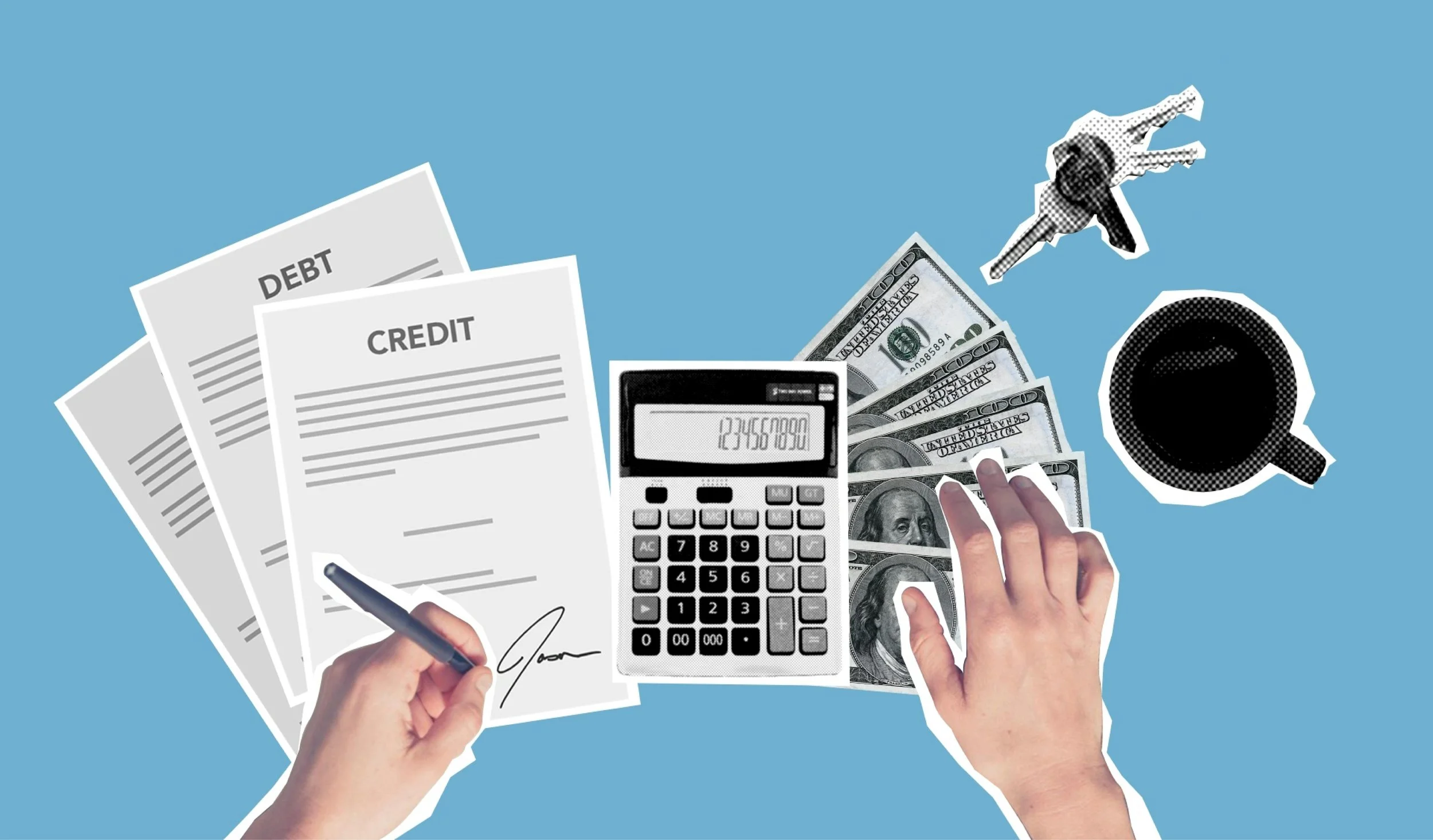
What Happens to Joint Debt During Divorce?
Dividing assets often receives the most attention during divorce, but dividing debt is equally critical. Joint financial obligations can create ongoing risk long after the legal process is complete. Many individuals are surprised to learn that a divorce agreement does not alter the original contract with a lender. As a result, joint debt can continue to affect both parties’ credit, borrowing power, and financial stability.

Can You Refinance Your House During Divorce?
Divorce often brings urgent housing decisions to the forefront, and one of the most common questions is whether refinancing the marital home can happen before the divorce is finalized. The answer is not a simple yes or no—it depends on timing, lender requirements, and the structure of the divorce agreement.